
Compare
Timelee and Medisafe, side by side
The dose you skip is usually the 6pm one, because that is when you are cooking. Both of these apps are trying to change that moment, and they come at it from opposite directions: one specialises in medicine, the other specialises in reaching you.
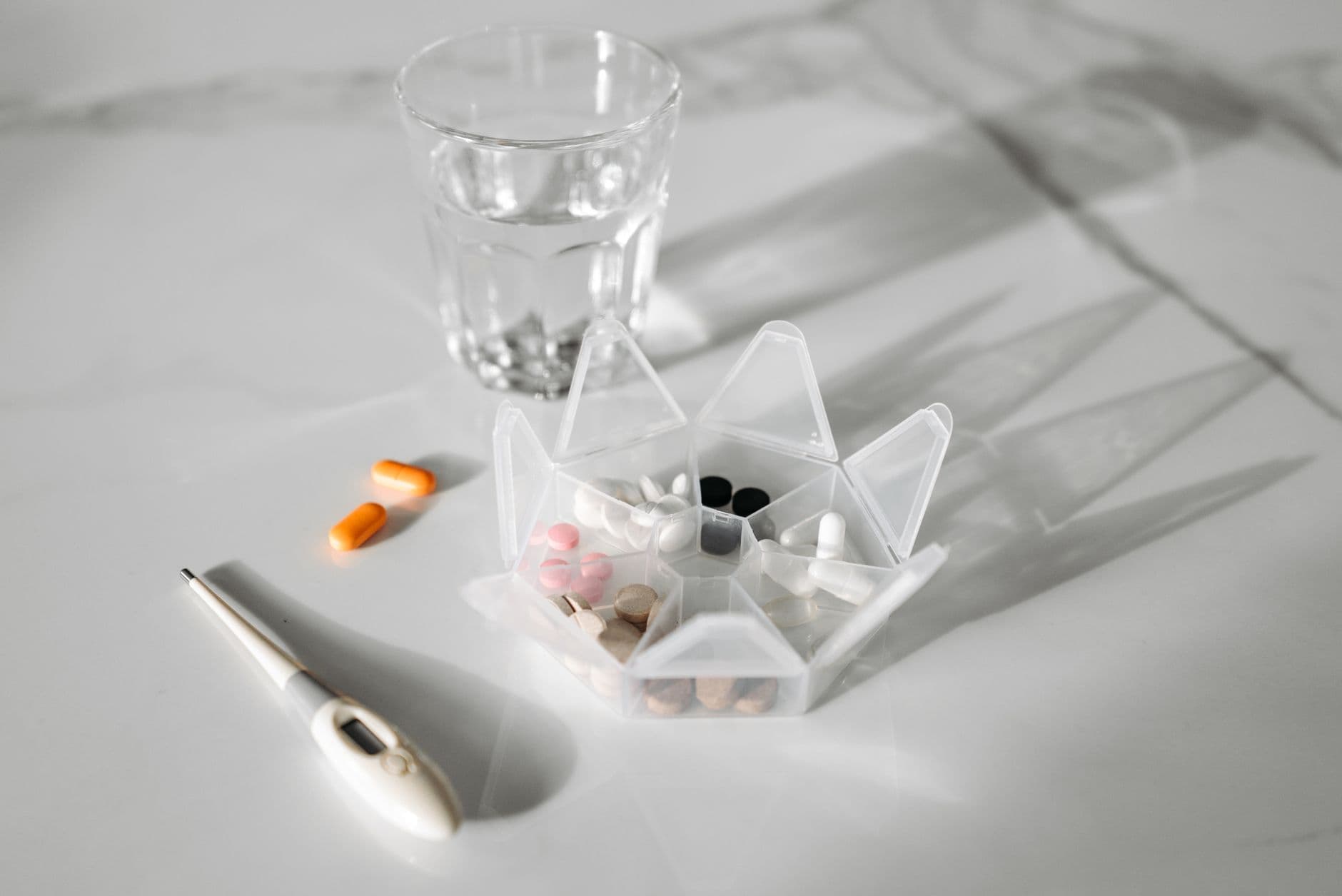
What Medisafe is genuinely good at
Medisafe is a dedicated medication app, and specialisation shows. It is built around medicines as a subject in their own right, with a medicine database behind it, so what you are recording is a named drug rather than a line of free text you typed at a chemist's counter.
That matters most for people managing a complicated regimen: several medicines, different schedules, refills to keep track of, and a record that has to be accurate over months rather than days. A general reminder app can hold that information, but it does not know anything about medicines and cannot help you get the details right.
If your situation is complicated, or you want an app whose entire design is about medication, a dedicated tool is the sensible starting point and Timelee is not trying to displace it.
Neither of these is medical advice
Timelee is a reminder app. It is not a medical device, it is not a treatment, and it does not check interactions, dosages or anything else about your medicine. Nothing on this page is clinical guidance. Decisions about what you take, when, and what to do about a missed dose belong with your doctor or pharmacist, and Timelee holds no healthcare certification of any kind.
The two, dimension by dimension
| Dimension | Timelee | Medisafe |
|---|---|---|
| The job it is built for | Reminders of every kind, including medication, delivered on a channel you choose. | Medication specifically, as a subject with its own structure and record-keeping. |
| Knowledge of medicines | None. You record the name, type, colour, a photo of the box and the dose per time. Timelee does not know what the medicine is. | A medicine database behind the app, which is its central advantage. |
| How a reminder arrives | Alarm, full-screen in-app call, or a real phone call to a verified number. Critical runs all three in order. | Reminders and alerts designed around a dose schedule. |
| Reaching a person who does not use apps | A phone call reminder rings a verified number with nothing installed at the other end. | Support features for a carer or family member within the app. Check the vendor for current scope. |
| Everything else in your day | The same app holds tasks, bills, birthdays, shopping, place reminders and shared reminders. | Focused on medication, which keeps it clear and uncluttered. |
| Where it runs | Android, iPhone and a web dashboard on one account, in 32 languages including four right-to-left. | Mobile apps. Check the vendor for current platform coverage. |
| Cost model | Free core. Real phone calls use credits, bought in the mobile app. | A free version with a paid tier above it. Check the vendor for current terms. |
These products change often and serve different categories. This is a general, category-level comparison written at the time of publication rather than an audit of anyone's feature list. Check Medisafe's own site for what it does today, and speak to a pharmacist or doctor about anything clinical, before you decide.
What Timelee brings to a missed dose
Most missed doses are not a memory failure. The reminder fired while you were cooking, or driving, or with the phone charging in the hall, and it cleared itself along with everything else on the lock screen. What changes the outcome is not a better message — it is a channel that does not need you to be looking at a screen.
In Timelee a medication reminder can be set to Critical, described in-product as "Alarm, then in-app call, then a phone call 10 min later if missed". The phone call is placed by Timelee's servers on the phone network, so it arrives with the handset locked, the app closed, and you in another room. It reads your pre-text, then "This is your reminder", then the reminder title, then your post-text, in a male or female voice of your choosing.
The same mechanism is why carers use it. A call can be pointed at a relative's number once that person has verified it with a one-time code, and they need nothing installed to answer it.
- Morning, noon, afternoon, evening and night presets, with a dose per time
- Repeat daily, weekly on chosen days, or monthly, with a repeat-ends rule
- Pinch Me brings the reminder back on an interval until it is marked done

Where Timelee's medication features run
| Feature | Android | iOS | Web |
|---|---|---|---|
| Creating and editing a medication schedule | Yes | Yes | Yes |
| Photo of the medicine box | Yes | Yes | Partial |
| Alarm and in-app call at dose time | Yes | Yes | No |
| Real phone call to a verified number | Yes | Yes | Yes |
| Marking a dose done and seeing it in History | Yes | Yes | Yes |
| Browser or desktop notifications for a dose | No | No | No |
The web dashboard has the full medication form, so a family member can set a regimen up on a laptop. The phone is what fires it. Set it up on a laptop, it rings on your phone.
Who should pick Medisafe over Timelee
If medication is the main thing you need help with, and especially if the regimen is complex or you want an app that understands medicines as medicines rather than as text you typed, a dedicated medication app is the better starting point. Timelee makes more sense when medication is one of several things you are trying not to drop, when you want one app for doses and bills and birthdays, or when the person you are reminding will only be reached by a phone actually ringing.
Common questions
Does Timelee know anything about my medicine?
No. You record the name, type, colour, a photo of the box and the dose per time, and Timelee treats all of that as text and a picture. It does not check interactions, dosages, refills or anything clinical, and it is not a medical device. Ask a pharmacist or doctor about anything of that kind.
Can Timelee call a relative when a dose is due?
Yes, once that person has verified their number with a one-time code. The call is placed by Timelee's servers on the phone network, so they do not need the app, a smartphone habit or an unlocked screen to receive it.
What happens if the dose reminder is missed?
That depends on the channel you chose. On Critical, the alarm is followed by an in-app call and then a phone call ten minutes later if it is still unacknowledged. With Pinch Me set, the reminder keeps returning on an interval until it is marked done. Nothing happens automatically beyond what you configured.
Is Timelee HIPAA compliant?
No. Timelee holds no HIPAA, SOC 2 or ISO 27001 certification and does not display badges it has not earned. What it can describe is the actual practice: Google sign-in, one-time-code verification before any number is called, encrypted transport, object storage for attachments, and no sale of your data.
Can I keep a record of what was taken?
Completed reminders go to History and stay there, so you can check later whether a dose was actually marked done. That is a record of what happened in the app, not a clinical record, and it should not be relied on as one.
Change the channel on the dose you keep missing
Pick the one time of day that goes wrong and set it to a channel that works when the phone is in another room.
Keep reading
- Medication remindersMedicine, dose, times of day, and how it rings.
- Medication reminder apps comparedWhat separates them, and who each suits.
- Phone call remindersA call placed to a verified number.
- Why doses get missedUsually delivery, not memory.
- Reminders for carersSetting things up on somebody else's behalf.