
Use case
Why doses get missed, and what actually helps
It is never the morning dose you miss. It is the six o'clock one, because six o'clock is when you are cooking, and your hands and your attention are both already busy.

The dose you skip is the one you were busy for
Ask anyone who takes something twice a day which dose they miss, and they will tell you the same thing. Not the one by the kettle in the morning. The other one. The one that falls in the middle of cooking, or the school run, or the last half hour of a shift.
That is not a memory failure. The prompt usually arrived. It arrived during the fifteen minutes of the day when you were least able to stop, you registered it, you thought "in a minute", and the minute did not arrive. An hour later there is nothing on the screen to correct you, because the notification is gone and notifications do not come back.
Which makes this a delivery question before it is anything else. Where does the prompt land, how long does it stay, and what happens if nothing happens. Timelee is a reminder app, and this page is about those three things.
The four ways a dose gets missed
Every one of these is ordinary. None of them is carelessness.
You were mid-task
Hands wet, pan on, someone talking to you. The reminder was seen and deferred, which feels like nothing at the time and is indistinguishable from forgetting an hour later.
The phone was in another room
Charging in the hall while you are in the kitchen. A notification fired to an empty room. There is no retry, and nothing about the evening will bring it up again.
You genuinely could not tell whether you had taken it
The doubt itself is the problem. Nothing recorded the moment, so at 22:00 you are reconstructing your own evening from memory rather than checking something.
You are reminding someone else
You are at work and the 14:00 dose belongs to a parent who does not open apps and will not be installing one. A notification on their phone is not a plan.
What Timelee is, plainly
Timelee is a reminder app. It is not a medical device, it is not a treatment, and it does not give health advice of any kind. It does not check what you have been prescribed, monitor anything about you, or know whether a dose was right. It rings at a time you set, and it keeps a record of what you marked as done. Decisions about medicines belong with you and the people looking after you.
Medication reminders are built for the phone
Medication capture ships on Android and iOS: the medicine's name, type, colour, a photo of the box, the dose per time and the times of day. You can build the reminder in the web dashboard too, but it is the phone that holds it in your pocket and rings it. Set it up on a laptop if that is easier; the phone is what reaches you at six o'clock.
A dose is not a to-do item
A general to-do list gives you one line of text. That is enough for "buy milk" and not enough for a tablet, because a tablet has a name that looks like three other names, a dose count, and several times a day attached to it.
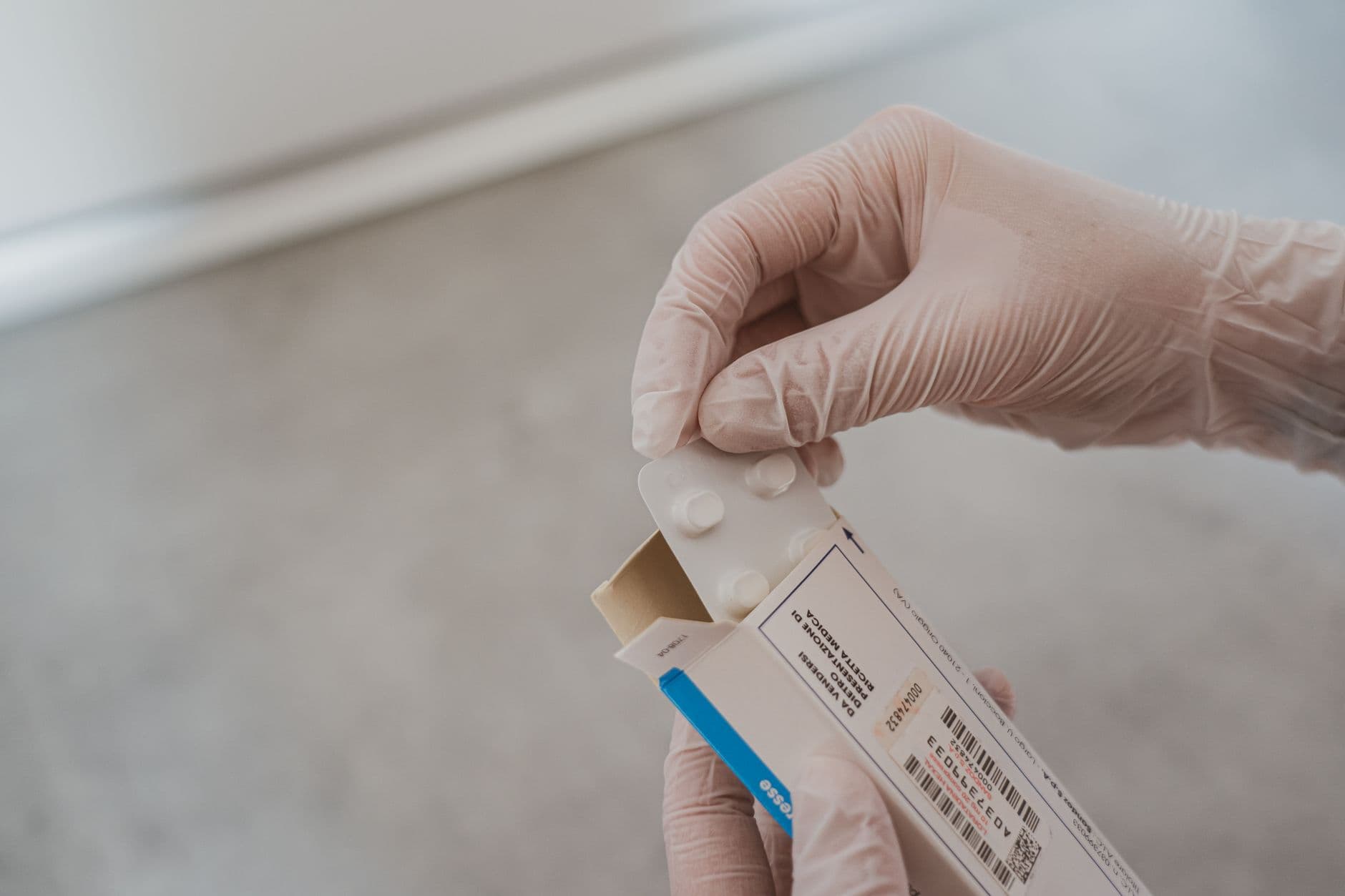
A Timelee medication reminder holds the medicine's name, its type and colour, and a photo of the actual box, so the right thing is identifiable at 6am by somebody who has just woken up. It holds the dose per time, and several reminder times a day, with Morning, Noon, Afternoon, Evening and Night presets or times you set yourself.
It repeats daily, on chosen weekdays, or monthly. And Repeat ends handles the finite ones properly: a ten-day course ends after a count of repeats rather than ringing forever until somebody remembers to delete it.
- A photo of the box, so the right tablet is identifiable at 6am
- Dose per time, and several times a day from presets or your own
- Repeat ends after a count, for a course with a fixed length
What happens when nothing happens
A single notification has exactly one chance. These rungs are about the second and third chance. Nothing escalates on its own — you pick the rung per reminder, and the moment you acknowledge it, everything after it stops.
- notif_type 1
Regular
A real alarm at the exact minute, with a tone you chose. Fine for the morning dose that already has a place in your routine.
- notif_type 2
App Call
The phone rings full screen, like an incoming call, inside Timelee. You look at a ringing screen before you dismiss it, which is different from clearing a banner without reading it.
- notif_type 3Recommended
Important
The alarm, and then the in-app call if the alarm goes unacknowledged. Two chances, no credits spent.
- notif_type 4Premium · uses credits
Phone Call Only
A real phone call to a verified number, placed by Timelee's servers. Nobody needs the app at the other end, which is why this is the one carers use for a relative.
- notif_type 5Premium · uses credits
Critical
Described in the app as: "Alarm, then in-app call, then a phone call 10 min later if missed." The phone rings in the hall while you are in the kitchen with your hands full.
Setting up the dose you actually miss
Do not do your whole regimen at once. Start with the single time of day you know you drop, because that is where the delivery change is worth anything.
Pick the one that goes wrong
For most people it is an evening dose. Be specific about the real time rather than the tidy one — if you eat at 18:20, set 18:20, because a reminder that lands in the wrong ten minutes lands in a different task.
Photograph the box
Take the picture while you are setting it up. It is thirty seconds now and it is the difference between certainty and squinting at similar packaging later.
Set the delivery one rung above habit
If a plain alarm has been failing at this time of day for a month, another plain alarm will fail too. Important is free and gives the prompt a second attempt at reaching you.
Add Pinch Me if a minute keeps becoming an hour
Timelee's nag setting re-rings on an interval. Every 30 Minutes repeats six times and then stops, which is a three-hour window rather than an alarm that runs all night.
Mark it done, and let History hold the answer
Marking it done is what stops the escalation, and it is also what puts it in History. At 22:00 you get to check rather than reconstruct.
Questions people ask about dose reminders
Is Timelee a medical app?
No. Timelee is a general reminder app with a medication reminder kind in it. It is not a medical device, it does not provide medical advice, and it holds no healthcare certification. It rings when you tell it to and records what you marked as done.
Can Timelee remind someone who does not use apps?
Yes, with a phone call. A Phone Call Only reminder places a real call from Timelee's servers to a number that person has verified with a one-time code. They answer a ringing phone, which is a thing most people already know how to do. They do not need Timelee installed.
What does the call actually say?
Your pre-text, then "This is your reminder", then the title you gave the reminder, then your post-text, in a male or female voice you choose once. The pre-text and post-text are yours to write, which matters when the call is going to somebody else and needs to explain who sent it.
Will it keep ringing until I take the dose?
Only if you set it to. Pinch Me re-rings on an interval you choose; the 5, 15, 30-minute and hourly settings stop after six repeats, while Every Minute and Every Day continue until you mark the reminder done. Escalation is the response to no response, so acknowledging the first alert stops everything after it.
How do I know whether I already took it?
Mark the reminder done when you take it, and it goes to History and stays there. That is the whole mechanism, and it is deliberately simple: Timelee cannot detect a dose, so the record is only as good as the tap.
Does a reminder call use credits?
Real phone calls use call credits. Alarms, in-app calls and the Important combination do not, so a twice-daily reminder can run entirely on the free core. Credits are bought in the Android or iOS app, and current rates are shown there.
Start with the one dose you know you miss
Sign in with Google, set it up once with a photo of the box, and give it a delivery rung above the one that has been failing.
Keep reading
- Medication remindersMedicine, dose, photo and times of day.
- A practical guide to dosesWhat to change, product aside.
- Phone call remindersA call reaches a phone in another room.
- Caring for a relativeA prompt that needs no app at the other end.
- Medication apps comparedWhat separates a dose app from a general one.