
Trust
Only numbers you have verified can ring
An app that can place a real phone call raises an obvious question before it raises any others: so anyone can make my phone ring? No. A number has to be verified by the person who owns it before Timelee will call it, and that gate sits under every one of the escalating delivery channels.
The three versions of the same worry
People ask this in different words, but it is always one of these three. All three have the same answer, and it is worth being specific about what that answer actually rules out.
Could a stranger schedule a call to me?
Somebody types your number into their Timelee account and sets a reminder pointed at it. Your phone rings at 03:00 with a recorded message. This is the version most people are imagining, and it is the one verification exists to stop.
Could my number be used at scale?
Not one call but a hundred, from an account that does not belong to you, aimed at a list of numbers scraped from somewhere. A feature that dials arbitrary numbers on request is a feature that becomes an abuse tool within a week.
Could somebody I know overuse it?
Less dramatic and far more common. A relative or a colleague sets you up for calls you did not agree to, and there is no obvious way to get out of it without a conversation.
How a number gets verified
It is deliberately the same step you already know from a hundred other services, because a familiar mechanism is one people actually complete rather than abandon.
Somebody enters the number
Either you entering your own, or someone setting up a call reminder for a person they are looking after. Entering a number is all that step does — it does not yet authorise anything.
Timelee sends a one-time code to that number
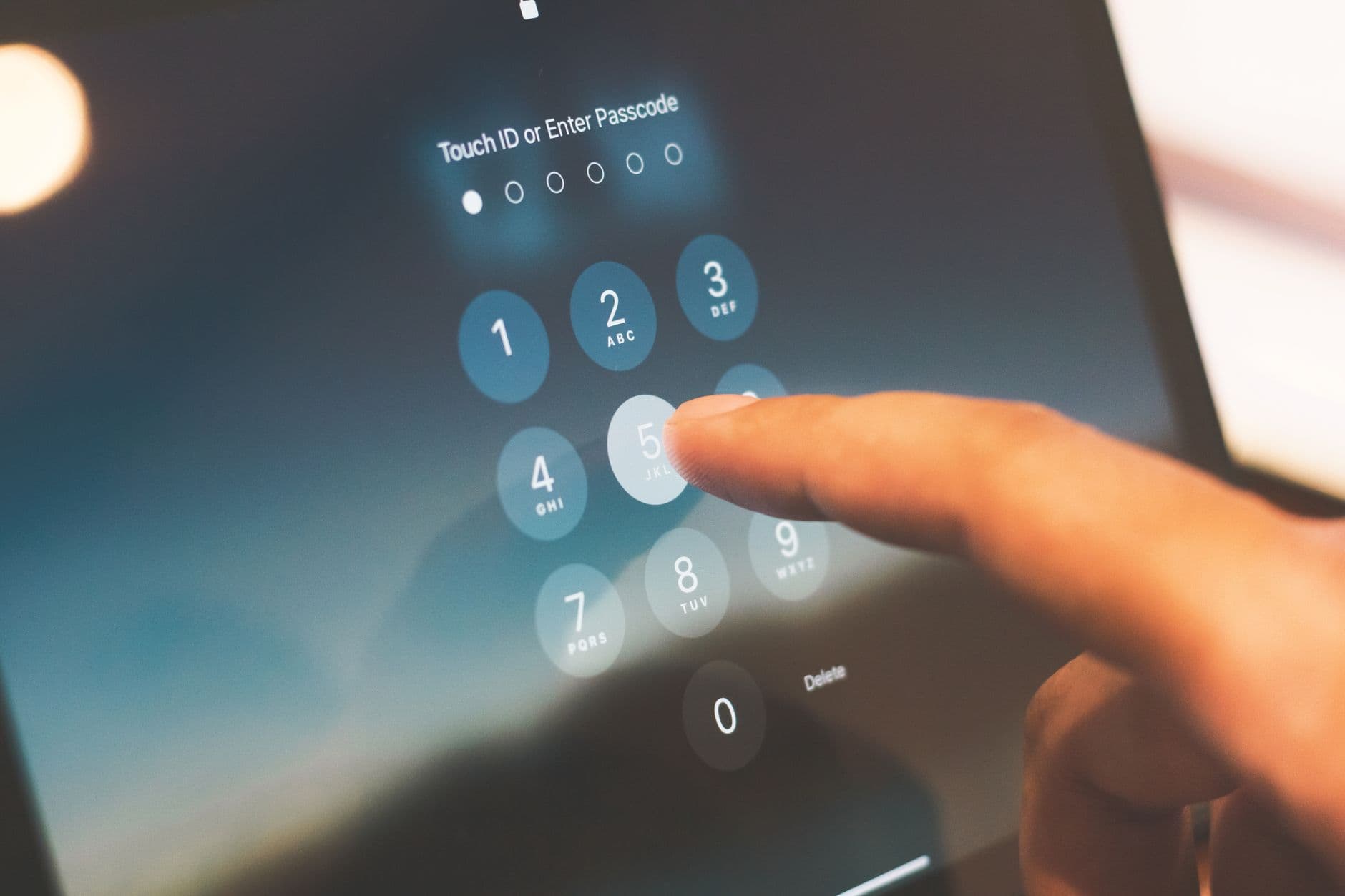
The code goes to the handset itself, not to the account that typed the number in. That is the whole design: the proof has to arrive somewhere only the real owner can read it.
The owner of the handset enters the code
Whoever is holding that phone has to read the code and put it back into Timelee. If they are not willing to do that, the number never becomes callable.
The number joins the verified list
From that point it can be chosen as the destination for a call reminder, and it appears in your verified numbers where you can see it.
It can be removed again
A verified number is not a permanent grant. Remove it and it stops being an available destination for calls.
The gate is consent, not an account setting
Most apps that can contact somebody else treat permission as a setting inside the sender's account — a toggle the sender controls, on a screen the recipient never sees. That is the wrong place for it. The person who bears the cost of an unwanted call is the person whose phone rings, and they should be the one holding the switch.
Verification moves the decision to the handset. The only way a number becomes callable is for somebody holding that handset to read a code and type it in. There is no path through the sender's settings, no path through a support request, and no path through knowing the number — because knowing the number is exactly the thing the check assumes an attacker already has.
This is why the call feature can exist at all. Without it, an app that dials arbitrary numbers on a schedule is a nuisance-call service with a to-do list attached.
- The code goes to the handset, never to the account that typed the number
- Knowing a number is not enough to call it
- Verification can be withdrawn by removing the number
- The same rule applies to your own number as to anyone else's
What you keep control of
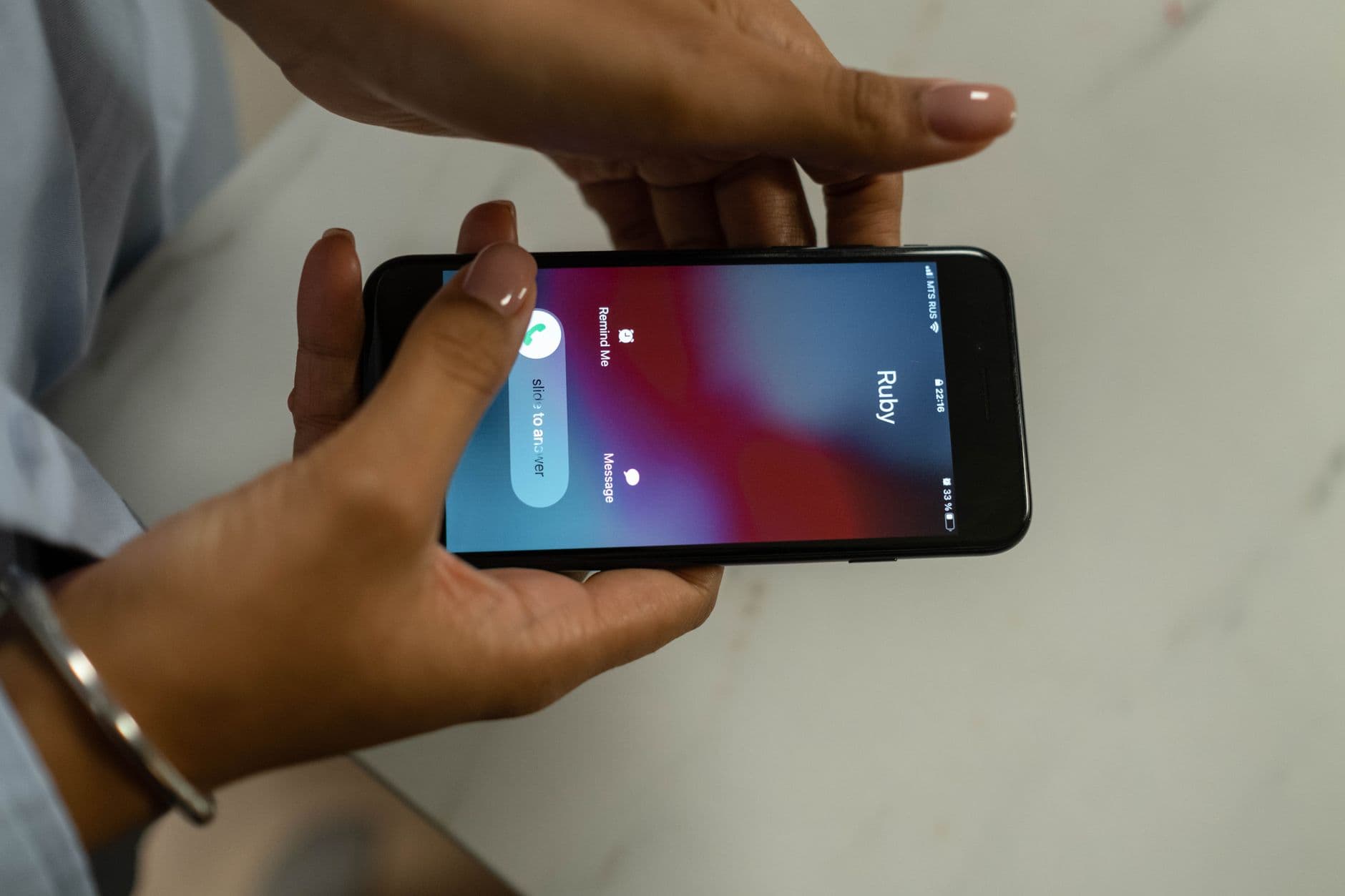
Verification is the gate. These are the other controls around it, and it is worth knowing all four before you turn call delivery on.
Your verified list is visible
You can see which numbers are verified on your account rather than having to take it on trust, and remove any of them.
Calls are opt-in per reminder
No reminder escalates to a phone call unless you chose that channel on that reminder. The default is quieter, and the loud channels stay rare because you pick them one at a time.
The time is the time you set
Timelee places the call at the reminder time. It does not decide times for you, so a call at an unsociable hour is a call somebody scheduled for that hour.
Sharing has its own answer
A shared reminder arrives as a push notification the other person accepts or declines. Assigning something to somebody is not the same as being able to ring them.
Escalation stops when you respond
The ladder is a response to silence. Acknowledge the alarm or the in-app call and nothing further is placed, so the call is the exception rather than the routine.
The call speaks your language
The spoken call follows the language on your account rather than the server's, which matters when the person being called is not the person who set the reminder.
What your number is used for, and what it is not
Your phone number exists in Timelee so that Timelee can call it when you ask for a call. It is not sold, and it is not shared with advertisers. Timelee holds no SOC 2, HIPAA or ISO 27001 certification and will not display badges it has not earned — what it can describe is the actual practice, which is set out on the security page.
Setting up calls for somebody you look after
- Do the verification with them, on their phone, rather than for them
- Explain what the call will say before the first one arrives — an unexpected recorded voice is alarming
- Write a pre-call text that identifies you, so the first words are your name rather than an unattributed message
- Start with one reminder, not six, and check how the first week goes
- Agree what happens if they stop wanting it, and remove the number when that day comes
- Remember they do not need the Timelee app installed for a call to reach them
Questions about verification
Can anyone make Timelee call my phone?
No. A number has to be verified with a one-time code before Timelee will call it, so a call can only be scheduled to a number somebody has proved they control. Knowing your number is not enough.
Can I set up a reminder call for a relative?
Yes. Point a phone call reminder at their number once they have verified it. They do not need the Timelee app for the call to reach them, which is why this works for people who are not app users at all.
What if I no longer want a number to be callable?
Remove it from your verified numbers. It stops being an available destination for call reminders from that point.
Does verification apply to my own number too?
Yes. There is no special case for the account holder. The number you want Timelee to ring is verified the same way as anybody else's.
Does verification stop the app from ringing me at a bad time?
Verification controls who can be called, not when. The time is the reminder time you set — Timelee does not choose times on its own. If a call is arriving at an hour you did not expect, the fix is the reminder's schedule.
Do I have to verify a number to use Timelee at all?
No. Verification only matters for phone-call delivery. Alarms, in-app calls and everything else in the free core work without a verified number anywhere in your account.
The right to make a phone ring belongs to the person holding the phone.
Every other design puts that decision in the sender's settings, where the person who bears the cost cannot reach it.
Verify one number before you need the first call
It takes a code and about thirty seconds, and it is the step that makes the loudest delivery channel safe to have at all.
Keep reading
- Phone call remindersThe channel verification exists to protect.
- Security at TimeleeWhat we actually do, and what we do not claim.
- How Timelee reaches youThe three rungs, and when each is right.
- Shared remindersAssigning something is not the same as ringing somebody.
- Frequently asked questionsThe rest of what people ask before signing in.